
Surge Protective Devices (SPDs)

What is a Surge Protective Device?
SPDs are designed to limit over-voltage to protect devices that could be damaged. Normal household voltage is 240 volts AC. In an AC circuit, a voltage spike is a quick event, typically lasting 1 to 30 microseconds that may reach over 1,000 volts.
Lightning hitting a power line can cause a spike of thousands of volts. A motor, when switched off, can generate a spike of hundreds of volts. Spikes can also occur on telephone and data lines when AC main lines accidentally connect to them, or lightning hits them, or if the telephone and data lines travel near lines with a spike and the voltage is induced. Spikes can degrade wiring insulation and destroy electronic devices like smoke detectors, medical equipment, light bulbs, battery chargers, modems, televisions, and other electronics.
In some cases, a power surge can ruin the wiring of expensive appliances and devices.
While power surges may not always destroy your equipment, they can put stress on the wiring. It can shorten the device or appliance’s lifespan. A surge protector is a simple way to limit damage.
An SPD does not protect against direct or close lightening or over-voltage surges that last more than milliseconds. SPDs will wear out after multiple over-voltage events or even one large event. Most SPDs have an indicator light to show that it is still working.
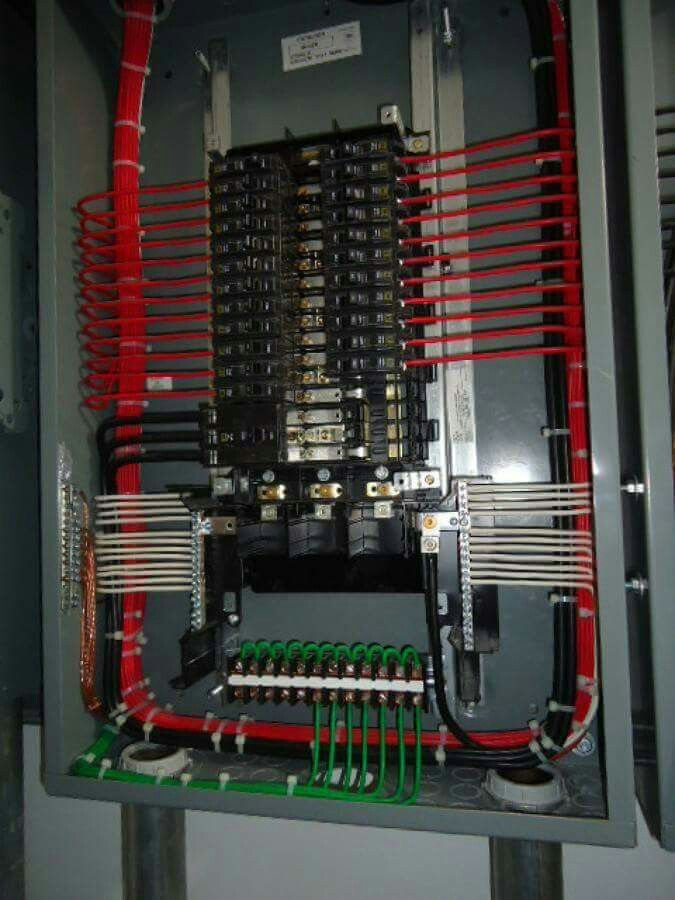
An SPD can be installed in the main breaker panel, on a single circuit, or a surge protector such as a power strip or a UPS with surge protection.
If you have questions about using Surge Protective Devices in your home reach out to a licensed electrician for more information.
Call John at Rapid River Electric 208-315-3876

Comments